
Our Gem Lab
GBI Gem Lab, originally established in Bangkok, is a distinguished gemological laboratory with a renowned reputation for providing exceptional gemstone identification services to a global clientele. Our commitment to unwavering excellence and an abiding passion for gemstones underpin the provision of precise and dependable gemstone reports.
Learn More About Our Lab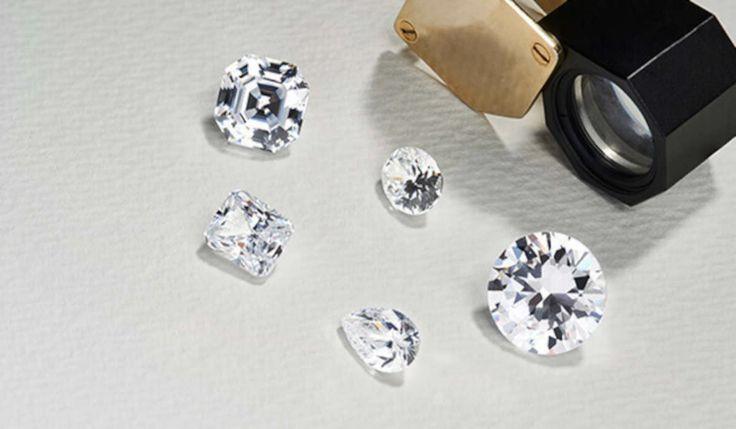

Cutting-Edge Tech
Our team of highly skilled gemologists utilizes state-of-the-art equipment and advanced techniques to thoroughly examine and assess gemstones for their authenticity, quality, and characteristics.

Accurate & Reliable Certification
Receive a comprehensive gemstone certificate detailing the gem characteristics, measurements, and any treatments, providing you with a valuable documentation for insurance, resale, or personal records.
Highly Qualified Gemologists
Every gemologist within our GBI Gem Lab team holds degrees from esteemed institutions and associations, including the GIA (Gemological Institute of America), FGA (Gemological Association of Great Britain), and GIT (Gemological Institute of Thailand).
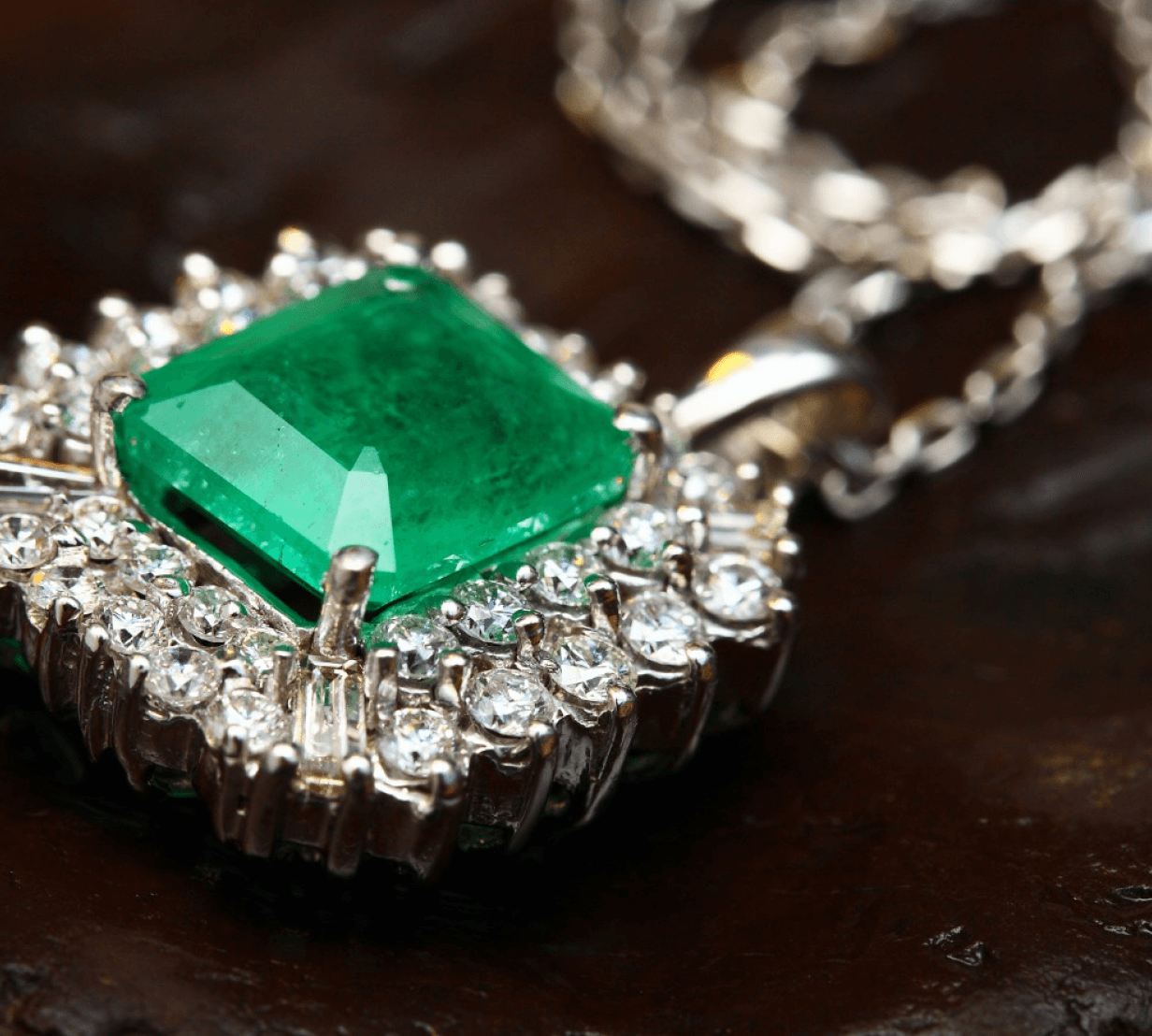
GBI Training School
GBI, the Gemological Training School, is a nonprofit institution with a steadfast dedication to safeguarding and educating the public within the captivating realm of gems and jewelry. Our mission encompasses setting global standards for gemstone evaluation, notably through the renowned 4Cs of Diamond Quality and the Color stones identification. It is through this commitment to exploration and understanding that our education division excels in transforming in-depth knowledge into practical, hands-on skills. We take pride in shaping the next generation of jewelry leaders and professionals, equipping them with the expertise needed to excel in this glittering industry.
Learn More About Our Gem SchoolFeatured Courses

Verify GBI report on our mobile app
GBI Gem Lab is thrilled to announce that our official app is now available! With our app, you can: Quickly submit gemstone certification requests, Access and review your gemstone reports anytime, anywhere, Seamlessly communicate with our expert gemologists, Stay updated on the latest gemstone news and industry insights Experience convenience and excellence in gemstone certification – download our app today! Unlock the brilliance of GBI Gem Lab at your fingertips!



Featured Articles
Aug 20, 2024 | 3 mins
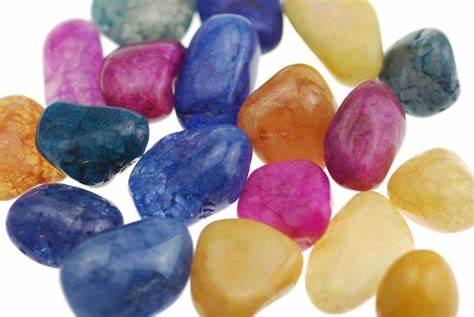
Crackle quartz
What is Crackle Quartz?
Crackle Quartz is quartz that has been subjected to a thermal shock process, causing it to crack. The quartz is heated to a high temperature and then rapidly cooled, which creates a network of fine cracks throughout the stone. These cracks can be enhanced by adding color or other treatments.
Treatments for Crackle Quartz
Dyeing: To enhance the appearance of crackle quartz, it can be dyed. This is done by soaking the crackled quartz in dye solutions. The dye penetrates the cracks and gives the stone a vibrant, colored appearance.
Reference photo from Google Photo
Read More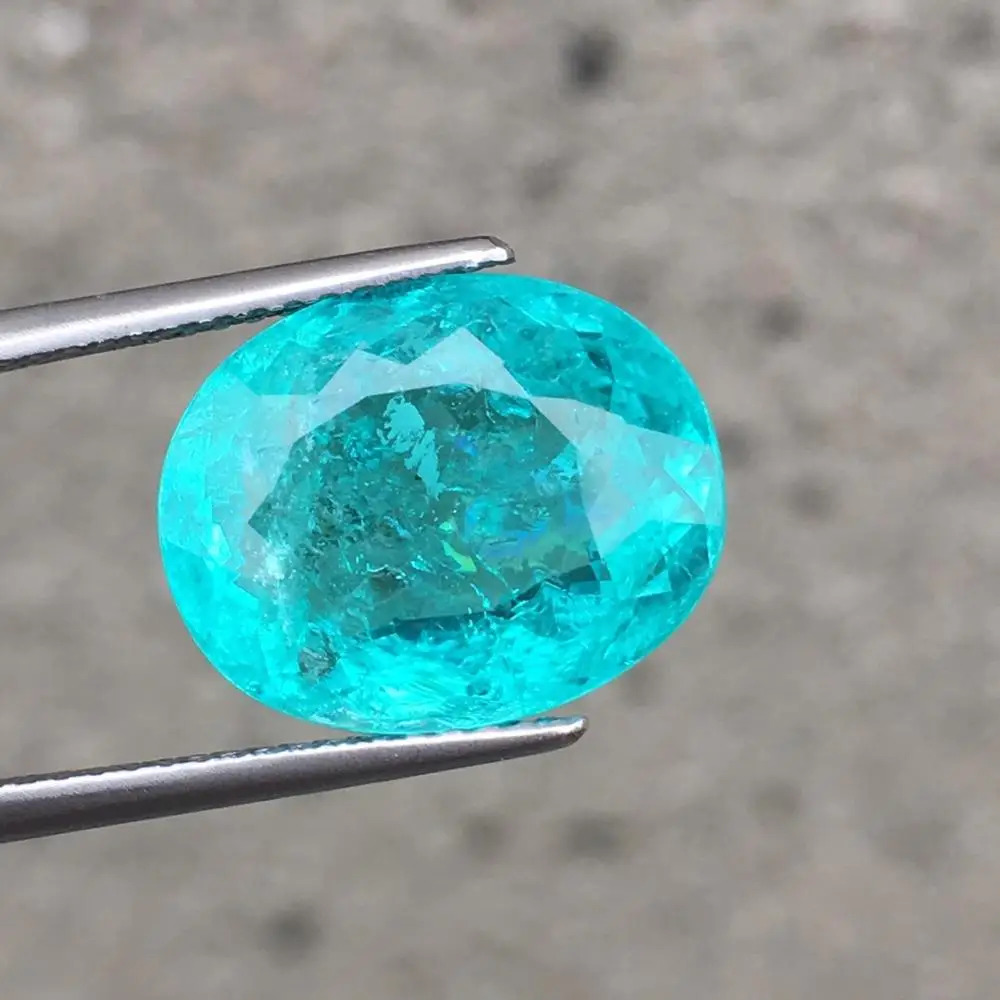
Aug 20, 2024 | 5 mins
A Paraiba tourmaline
“A Paraiba tourmaline is a blue (electric blue, neon blue, violet blue), bluish green to greenish blue or green tourmaline, of medium-light to high saturation and tone (relative to this variety of tourmaline), mainly due to the presence of copper (Cu) and manganese (Mn) of whatever geographical origin. The name of the tourmaline variety „Paraiba‟ is derived from the Brazilian locality Paraíba where this gemstone was first mined.”
‘Paraiba’ tourmaline is a famous colored stone that typically possesses strikingly beautiful bright blue color or the so-called ‘electric or neon blue’. Because of its attractive color this type of tourmaline in one of the
most sort-after stones that usually command very high price in the trade. Being driven by the market demand, many confusions and misuse of identification report have arisen in the market due to the unclear definition of ‘Paraiba’ tourmaline and other copper bearing tourmalines, some traders may assume that all copper bearing tourmalines can be called ‘Paraiba’ while some may still stick to the locality-specific name where it was first mined that the ‘Paraiba’ tourmaline has to originate from Brazil only. To clarify these confusions, GIT as the national gem institute and a member of LMHC (Laboratory Manual Harmonization Committee) would like to release this fact sheet to everyone who involve in this matter The ‘Paraiba’ is presently being considered as a variety-name of an exotic color tourmaline, green to blue, in which its color is due to the presence of copper (and manganese) as important trace elements in its structure regardless where it is originated from. The name ‘Paraiba’ derived from its original mines in Batalha region of Brazil. Apart from Brazil, there are also some other localities such as Nigeria and Mozambique, where there have been reported as being the important sources of copper-bearing tourmaline. In fact, Mozambique, in particular, has become the world largest supplier of copper-bearing tourmaline in the last few years. Most
‘Paraiba-type’ tourmalines from every sources are commonly heat-treated, especially those having purplish blue shade in order to remove the pink hue from the stone and leaving the stone more preferred blue.
Reference photo from Google search
Reference from https://git.or.th/.../2012/paraiba_fact_en_final_web.pdf
Read More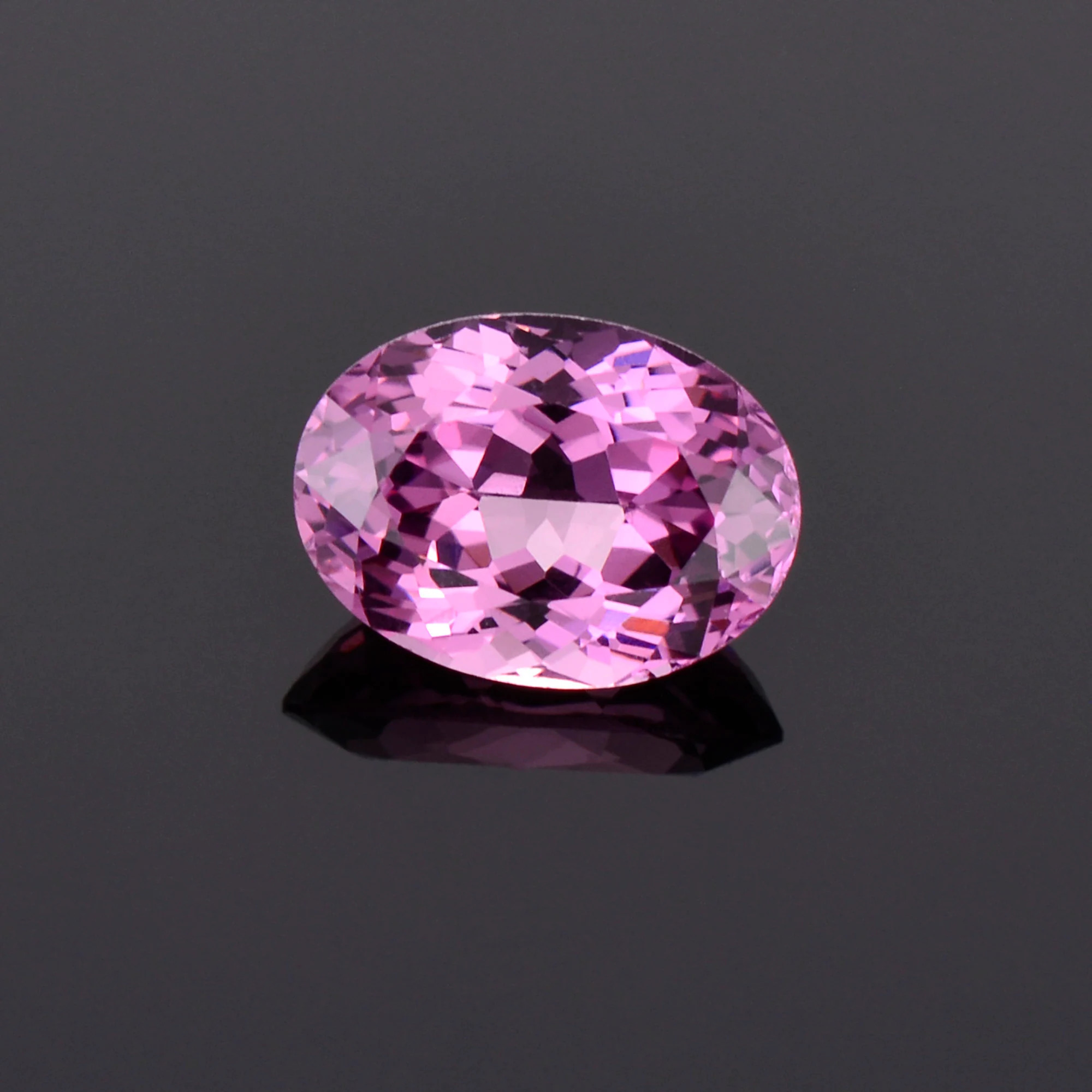
Jul 30, 2024 | 3 mins
Spinel
Spinel is a fascinating gemstone with a lot of unique qualities. Here's a detailed overview:
Composition and Formation
- Chemical Formula: Spinel is a group of minerals with the general formula [AB2O4][AB_2O_4][AB2O4], where AAA is typically magnesium, iron, or zinc, and BBB can be aluminum, chromium, or other metals.
- Crystal System: Cubic
- Formation: Spinel forms in metamorphic rocks, often in high-temperature and high-pressure environments. It can also be found in alluvial deposits.
Appearance
- Color: Spinel comes in a variety of colors, including red, blue, pink, purple, orange, and even black. The most prized colors are vivid red (often mistaken for ruby) and deep blue.
- Transparency: It can be transparent to opaque.
- Luster: Spinel has a vitreous (glass-like) luster.
- Hardness: On the Mohs scale, spinel ranks 8, making it quite durable and suitable for various types of jewelry.
Properties
- Refractive Index: Typically ranges from 1.718 to 1.732.
- Specific Gravity: Ranges from 3.58 to 3.63, depending on the exact composition.
- Cleavage: Spinel has no cleavage, which contributes to its toughness.
- Fracture: It typically has a conchoidal fracture.
Origin and Sources
- Main Sources: Major deposits are found in Myanmar (Burma), Sri Lanka, Tanzania, and Vietnam. Spinel can also be found in parts of Thailand and the Himalayas.
- Notable Locations: Some high-quality spinels are also found in Madagascar and the Skardu region of Pakistan.
Uses
- Jewelry: Spinel is valued for its vibrant colors and durability. It's used in various types of jewelry, including rings, earrings, and necklaces.
- Industrial Uses: Less commonly, spinel is used in refractory materials and ceramics due to its high melting point and stability.
Historical and Cultural Significance
- Historical Misidentification: Historically, spinel was often mistaken for ruby, especially in the case of some famous gems like the "Black Prince's Ruby," which is actually a large red spinel.
- Cultural Value: Spinel has been cherished in various cultures for centuries, especially in regions where it is found naturally.
Care and Maintenance
- Cleaning: Spinel can be cleaned with mild soap and water. Avoid harsh chemicals and ultrasonic cleaners, which might damage the stone.
- Storage: Store spinel separately from other gemstones to prevent scratching, and keep it in a soft cloth or padded jewelry box.
Spinel’s wide range of colors and impressive hardness make it a versatile and attractive option for gemstone enthusiasts and jewelers alike.
Photo credit from Gorgeous Pink Spinel Gemstone from Sri Lanka, 1.45 cts., 8x6 mm., Oval Shape (kosnargemco.com)
Reference from Mindat.org
Read More